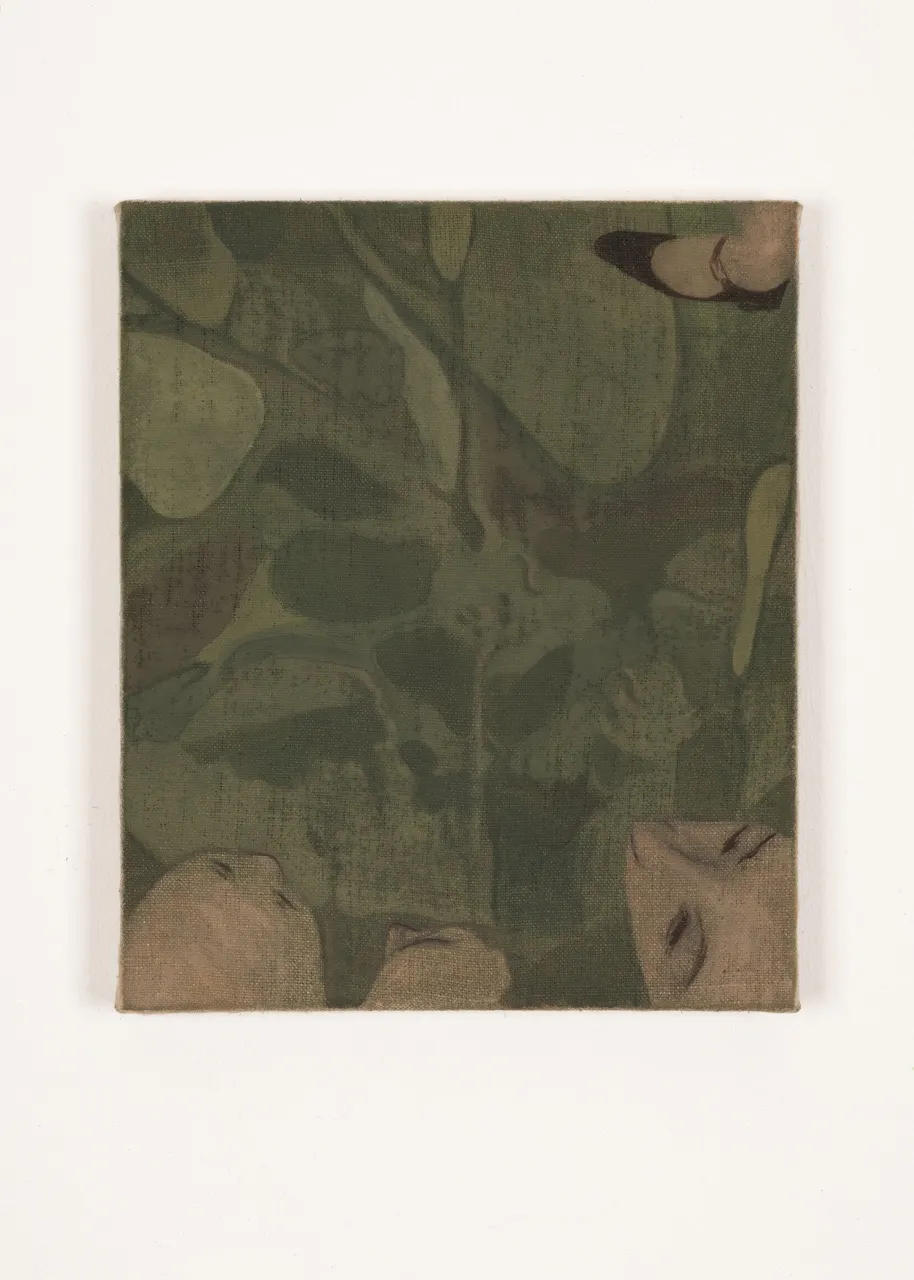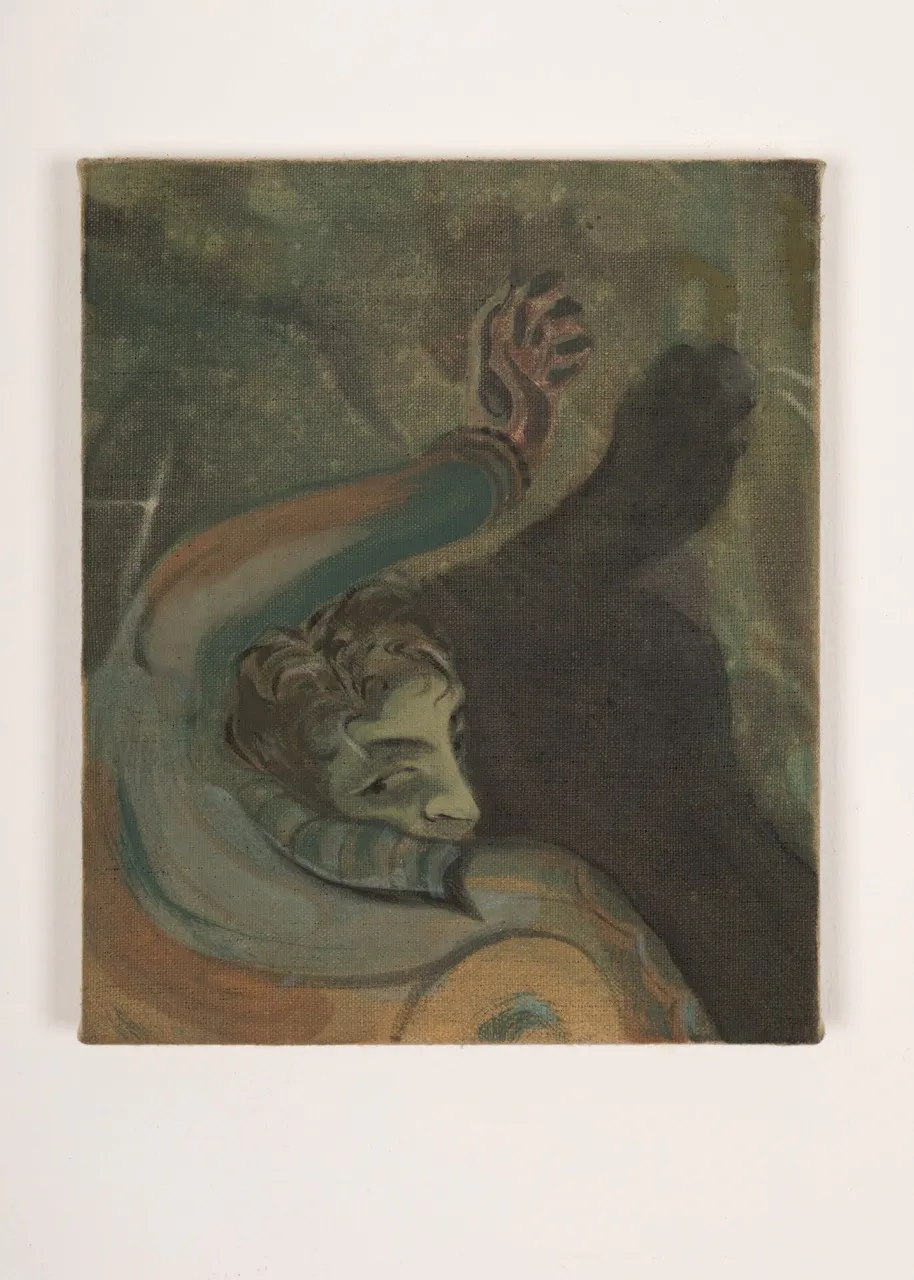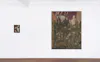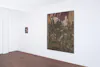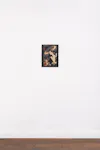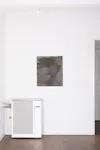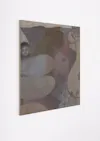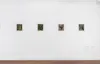
Ole Goldt's paintings are occupied by figures who do not quite arrive. Faces surface from dense vegetation or looming shadow; hands are caught mid-gesture; a masked profile drifts above a gaping dark form; a seated figure, chalky and still, presides over an overgrown interior from a far corner. Goldt's pictorial logic does not resolve into scene or narrative. It hovers at the threshold, sustaining a state of perpetual imminence.
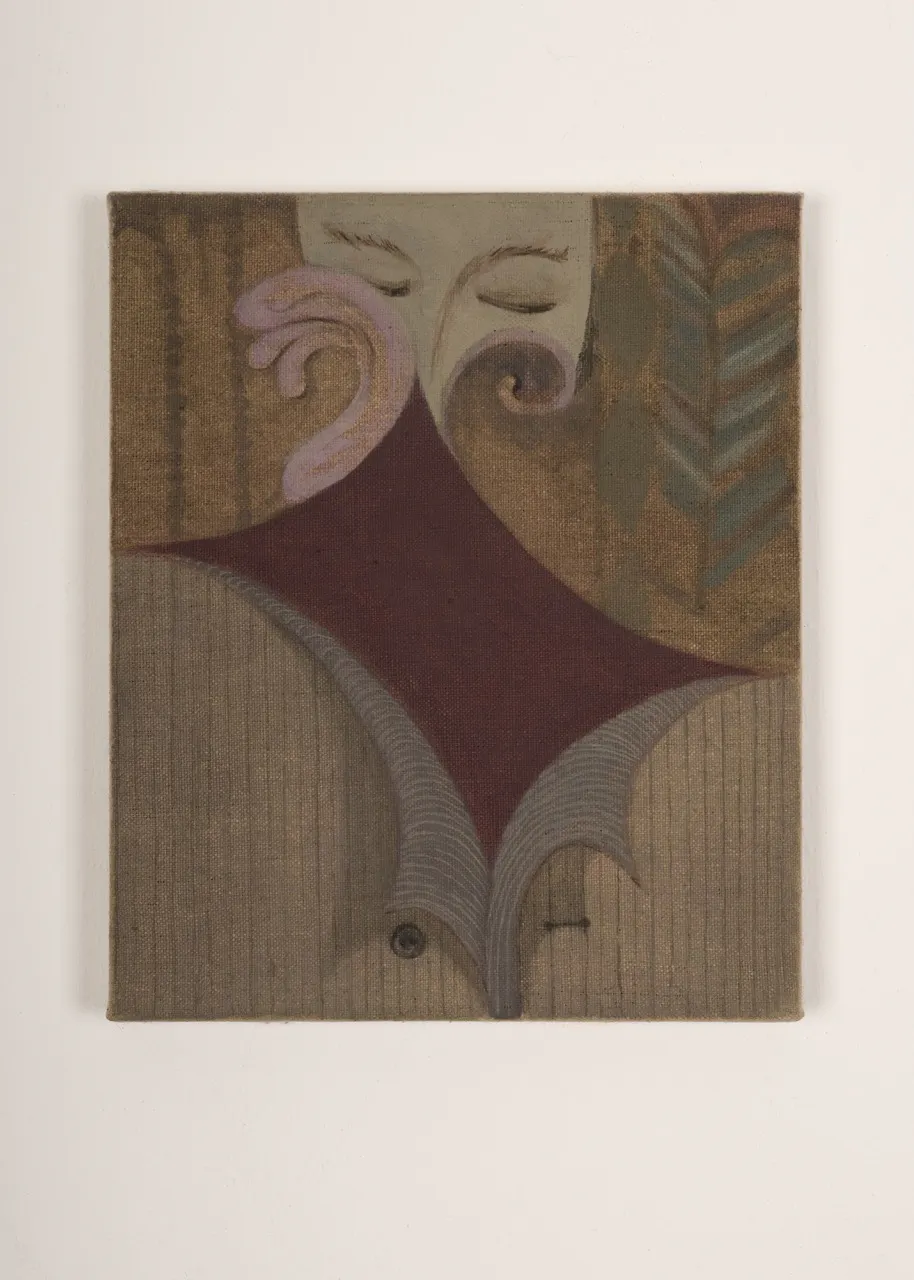
The exhibition takes its title from Claustrum (2026), a small painting in which a face with spiralling whiskers floats above a deep burgundy void shaped like a four-pointed star. The claustrum is a thin, poorly understood strip of neural tissue whose function continues to elude neuroscience, associated by some researchers with the binding of conscious experience, the place where disparate perceptions are gathered into the sensation of a unified self. Goldt's use of the word as a title is apt without being illustrative. His images are similarly structured around a centre that withholds its explanation.
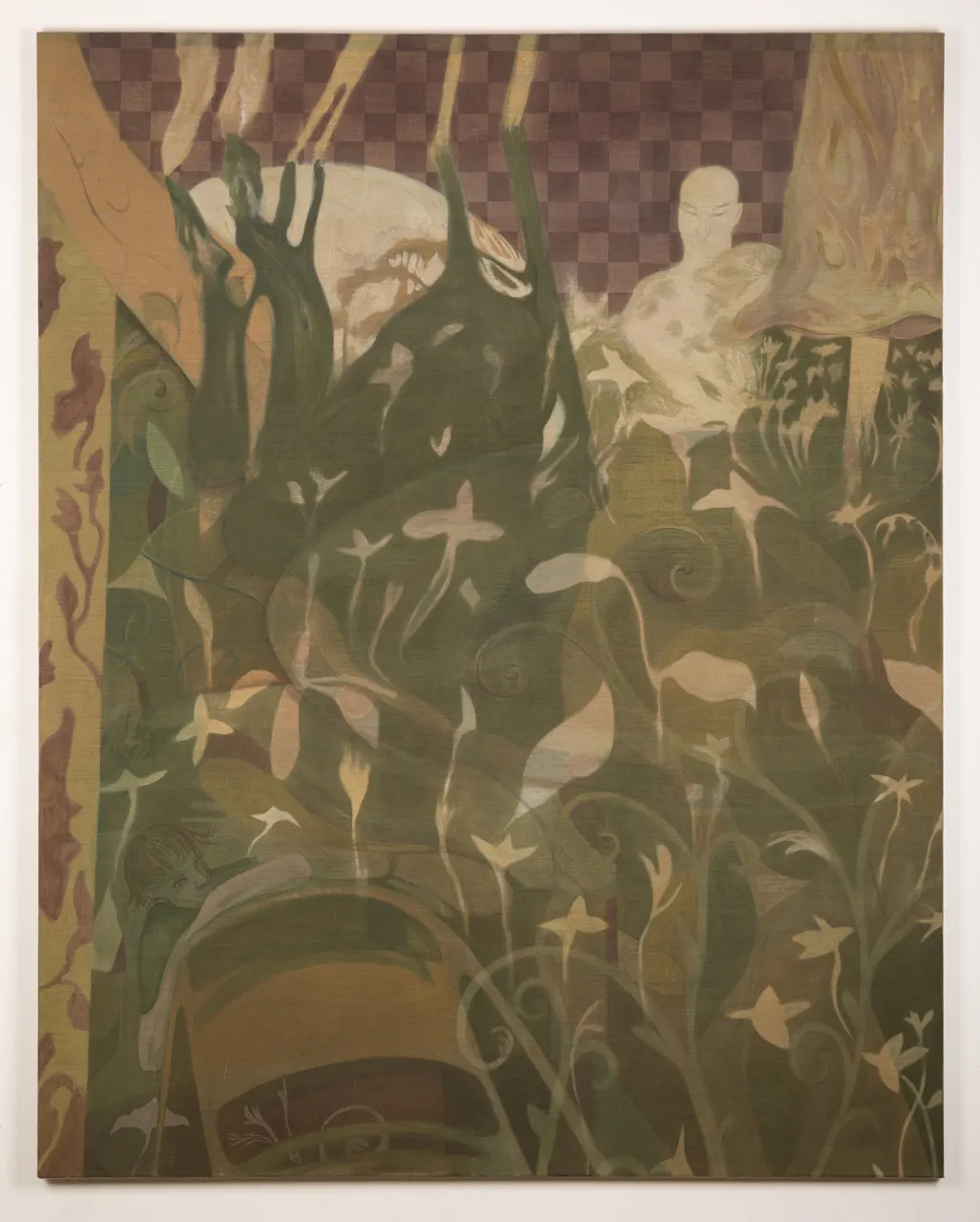
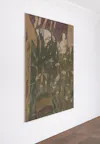
The largest work in the exhibition, Red Carpet/Green Lily (2026, 190 × 150 cm), makes the most explicit use of the ornamental strategies that run throughout Goldt's practice. Lily stems and curling tendrils crowd the lower three-quarters of the picture plane in shifting greens, while a burgundy checkerboard fills the sky above. The motif is borrowed, transposed from the flat colour patterns of , copies of which appear alongside Goldt's paintings. It arrives here estranged, overgrown, the decorative logic pushed until it tips into something closer to camouflage. In the upper right, the pale ghost of a meditating figure looks inward, unperturbed. The ornament does not decorate; it contains.
This is central to Goldt's method. Patterns, whether chequered, striped, botanical, or geometric, do not fill empty spaces so much as articulate them, lending the unpainted linen ground a quality of depth and pause. The visible weave of the support participates in the image. , Goldt's vegetation similarly oscillates between botanical fact and graphic invention, observed and formalised in the same gesture.
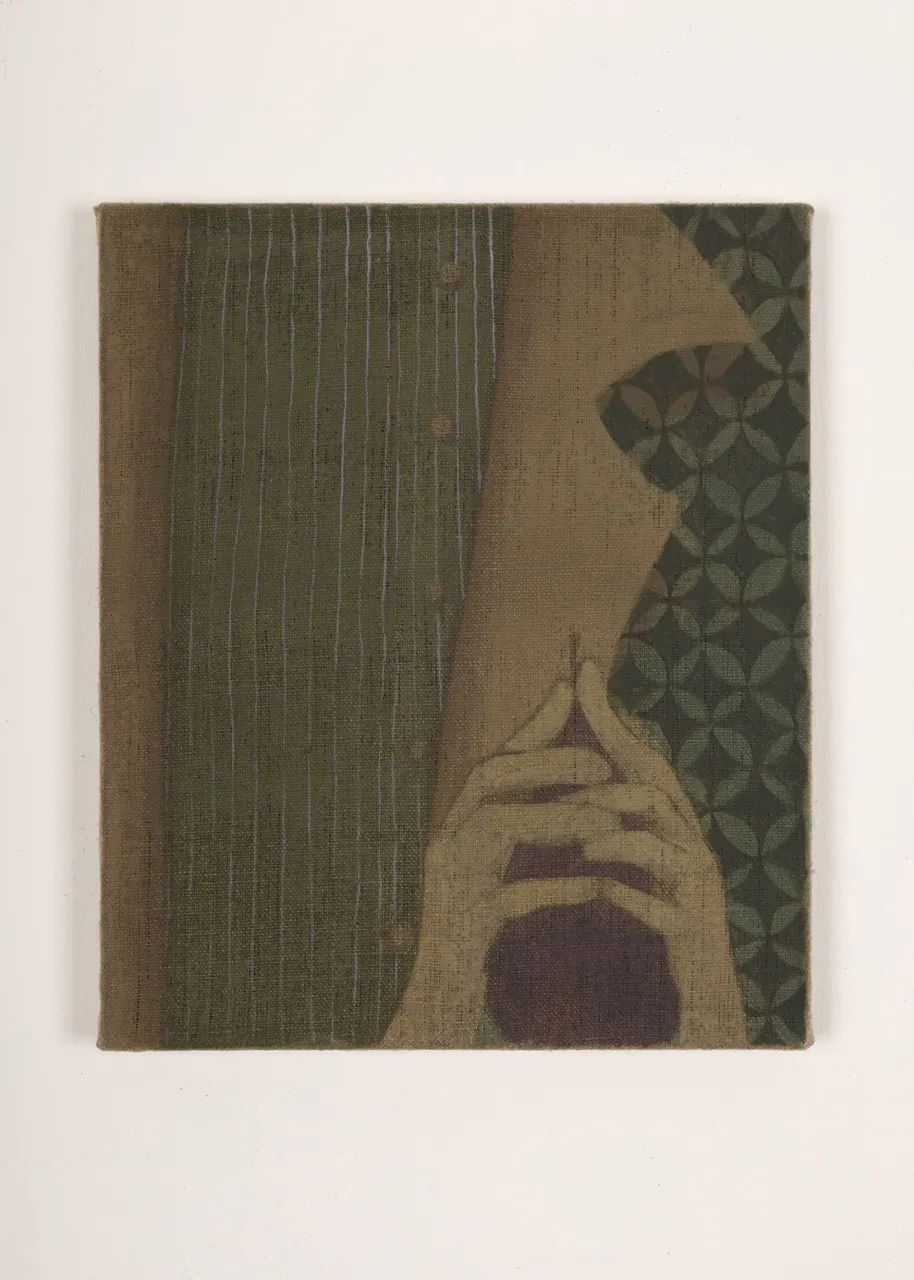
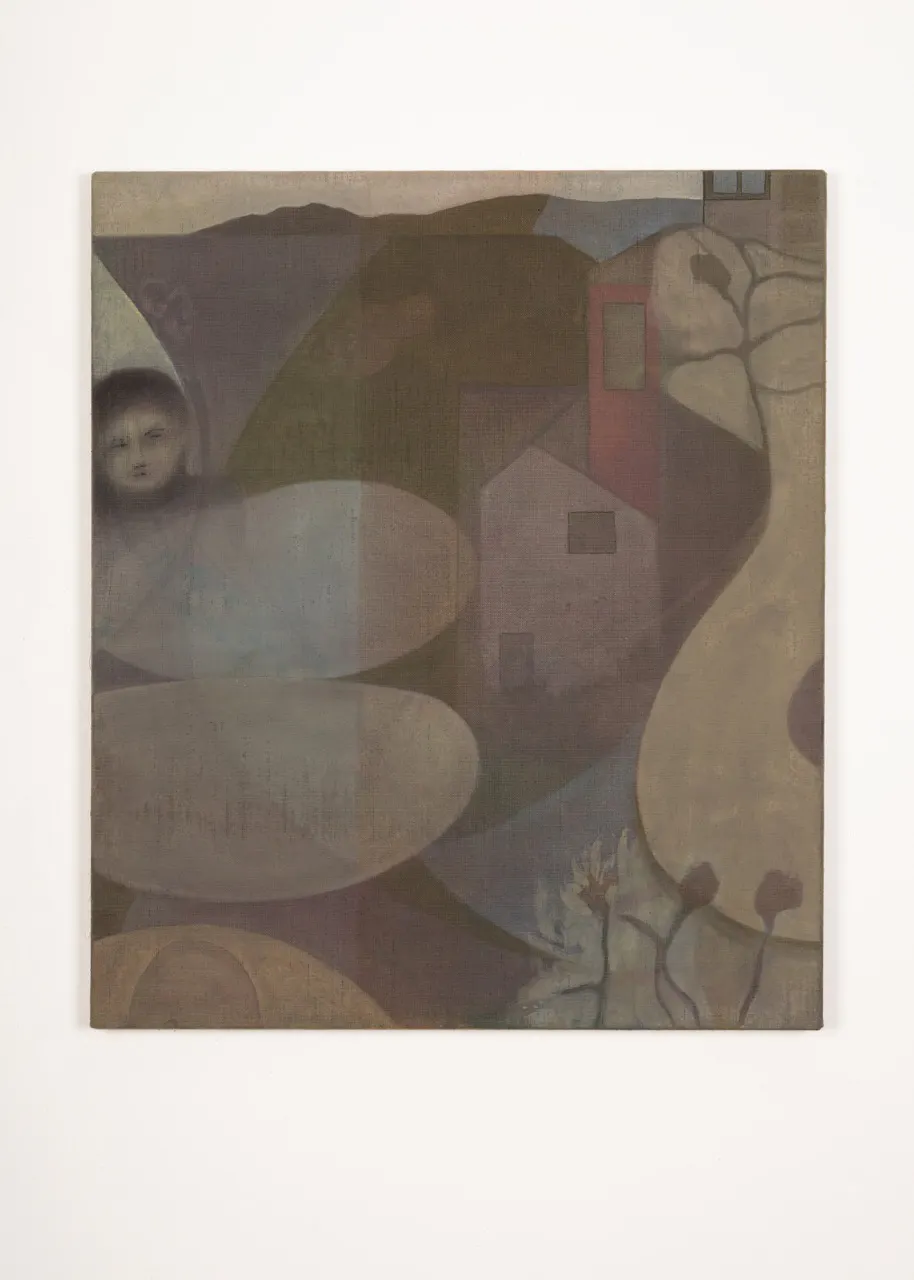
The smaller paintings work more privately. Birne (2026, 25 × 30 cm) presents a partial figure compressed into an intimate format: hands in prayer-like contact against striped green and a field of tessellated flowerheads, a body cropped to its most concentrated gesture. Sleepwalking (2026, 60 × 70 cm) opens the range, with forms of a figure, a house, and large rounded organic masses inhabiting the same muted field of ochre, mauve, and slate blue. The image recalls the flattened, feverish compositions of in which human presence is neither incidental nor central, but caught in between, like a thought surfacing from sleep before language claims it. Untitled (After Kunisada) openly names its source, re-encountering the printmaker's theatrical figures, all arrested motion and stylised drapery, through oil on linen, absorbing the linearity of woodblock into the quieter materiality of Goldt's paint.
provides a different kind of precedent. His plants press against their edges with a botanical anxiety that is part observation, part obsession. Goldt shares the compulsion, if not the melancholy. His images are less unnerving than unknowing, their mood closer to the serene stall of a lucid dream, in which the usual demand for resolution is simply suspended.
Claustrum is Ole Goldt's first exhibition with Painters Painting Paintings. The works are all made in 2026, in oil on linen.
References
1
2
3
4
Ole Goldt, Claustrum